Cold weather can affect installation because adhesives, preparations and some detailing materials have temperature and handling limits. Scheduling and methods should follow the selected system requirements and actual site conditions.
D.A. Quality Roofing installs TPO roofing on commercial and industrial buildings in Lima, Ohio. TPO, short for thermoplastic polyolefin, is a single-ply membrane used on flat and low-slope roofs. It arrives as factory-made sheets that are fastened or adhered to the roof, then joined with hot air so the seams become part of the completed membrane system.
A TPO roof is more than the white sheet you see on top. The membrane sits over supporting layers such as a cover board where specified, insulation and the structural roof deck. How those layers are selected, prepared and secured matters to the finished roof. Our family-owned team starts by learning how your building is used and what you need from the roof, then explains the options and the reason behind the recommendation before work begins.
What Makes a TPO Roof Work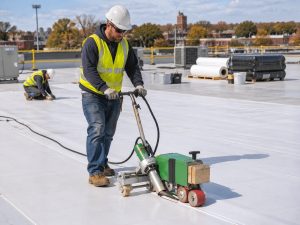
TPO is a thermoplastic material, which allows overlapping membrane sheets to be joined with hot-air welding. During installation, controlled heat and pressure form the seam between sheets. Weld settings, surface preparation and seam checks all matter because the finished seams must perform as part of the continuous roof membrane.
TPO membranes are available in different thicknesses and colors. White and other light-colored membranes can reflect more sunlight than darker roof surfaces. The membrane, supporting materials, attachment approach and details are selected for the building and the requirements of the chosen roof system.
How TPO Is Attached to the Roof
The attachment method depends on the roof deck, existing assembly, project requirements and the selected system. Common TPO installation approaches include:
- Mechanically attached: Plates and fasteners secure the membrane, commonly within seam overlaps that are then welded closed.
- Fully adhered: The membrane is bonded to an approved substrate such as a cover board or insulation using the adhesive specified for the system.
- Induction welded: Compatible plates secure the layers below, and the membrane is welded to those plates from above.
Insulation and cover boards also have their own fastening or adhesion requirements. Perimeter and corner areas may require different attachment or detailing than field areas, so the installation plan should follow the roof design and the selected system rather than one fastening pattern for every building.
Is Your Lima Building Ready for a TPO Roof?
Some buildings need a full tear-off, while others may be candidates for a recover installed over the existing roof. That decision depends on what is underneath. Before recommending TPO, important conditions to evaluate include:
- The existing assembly: What roofing is already in place, how the layers are built and how they are attached.
- Moisture: Wet or deteriorated materials should be identified so the new roof is not simply installed over an unresolved condition.
- The roof deck: Damaged or deteriorated decking may need repair before the new system is installed.
- Drainage: Ponding or slow drainage may require separate design or corrective work as part of the roofing plan.
- Rooftop equipment and openings: Curbs, pipes, walls, roof edges and equipment need compatible flashing and transitions.
Photos alone cannot confirm whether a recover is suitable. An evaluation of the actual roof is needed. If the roof can still be kept in service, a focused roof repair may be a more practical next step than replacement.
What to Expect During TPO Installation
Planning Around Your Operations
Commercial and industrial buildings often need to stay operational during roofing work. The project plan should account for roof access, material staging, parking, deliveries, rooftop equipment and sensitive areas inside the building. Weather also affects scheduling. Cold or wet conditions can limit certain adhesives, preparations and details, so the crew must work within the requirements of the selected materials and site conditions.
Preparing the Roof
Depending on the approved plan, crews remove existing roofing or prepare the current surface for a recover, address damaged decking, and install insulation and cover board with the specified fasteners or adhesive. Work is sequenced to protect the building while roof areas are being opened, prepared and closed in.
Installing and Detailing the Membrane
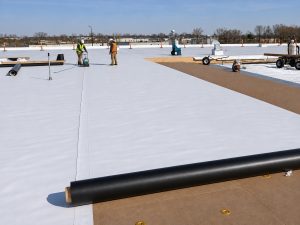
Membrane sheets are laid out, secured and welded. Penetrations, curbs, walls and edges receive compatible flashing and transitions, while perimeter details are completed according to the roof system. Seams and details are checked as work progresses. Safety remains part of every step because protecting your people, property and the roofing crew matters.
Keeping a TPO Roof in Service
A new TPO roof still needs ongoing attention. Periodic review of seams, flashings, drains and areas around rooftop equipment can help identify changes caused by foot traffic, storms, maintenance work or normal aging. D.A. Quality Roofing’s roof maintenance service can help owners plan ongoing care around the roof type, building operations and current condition.
TPO Roofing for Lima Businesses
D.A. Quality Roofing is based in Berne, Indiana, and serves commercial and industrial properties in Indiana and Ohio, including Lima. We focus on honest advice, clear communication and taking responsibility for our workmanship. You can learn more about membrane roof planning on our single-ply roofing page. To discuss a TPO roof for your Lima building, call our Ohio line at 419-276-7073.
Frequently Asked Questions
What is the difference between TPO and other single-ply roofing?
TPO is a thermoplastic membrane with heat-welded seams. EPDM is a different type of single-ply membrane, while PVC is another thermoplastic membrane that can also use heat-welded seams.
Can a TPO roof go over our existing roof?
Sometimes. Suitability depends on the existing assembly, moisture and material condition, along with the requirements that apply to the proposed roof system.
Do I need to choose a membrane before calling?
No. Share what you know about the roof, the building and your plans for the property. Material and assembly options can be discussed during the evaluation.